


LAST NEWS
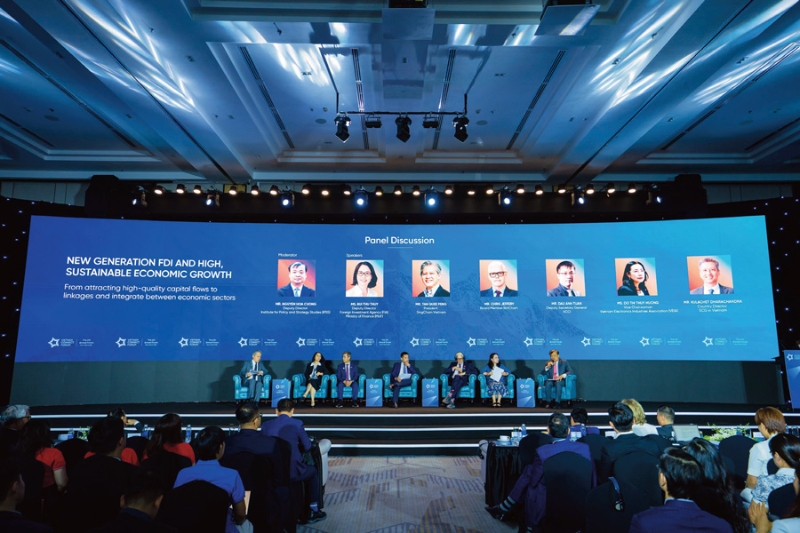
For integrated partnership between FDI and domestic enterprises
Policymakers, foreign investors, and domestic business leaders attending the Vietnam Connect Forum 2026 had varying opinions on how domestic and foreign enterprises can partner each other.

National scientific conference on innovation of national development model
The conference aims to provide a comprehensive evaluation and discussion on several key areas including the analysis of the international and domestic context to provide strategic forecasts and orientations for Vietnam’s future leading up to...
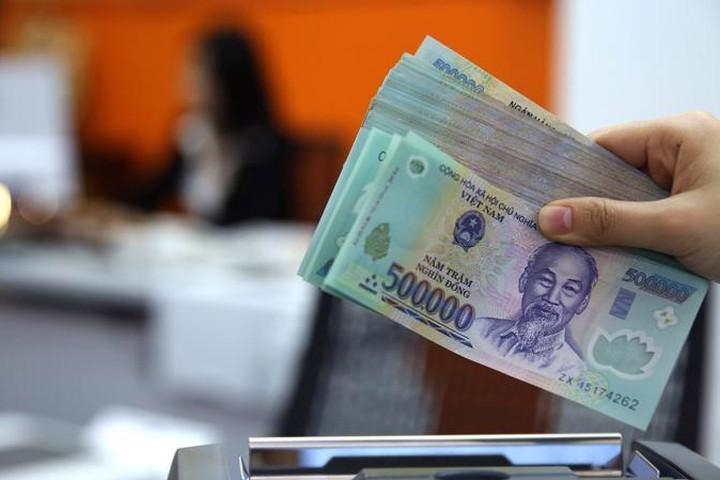
Base salary and pensions to increase from July 1
The base salary for public employees and armed forces will raise to VND2.53 million ($96.2) per month.
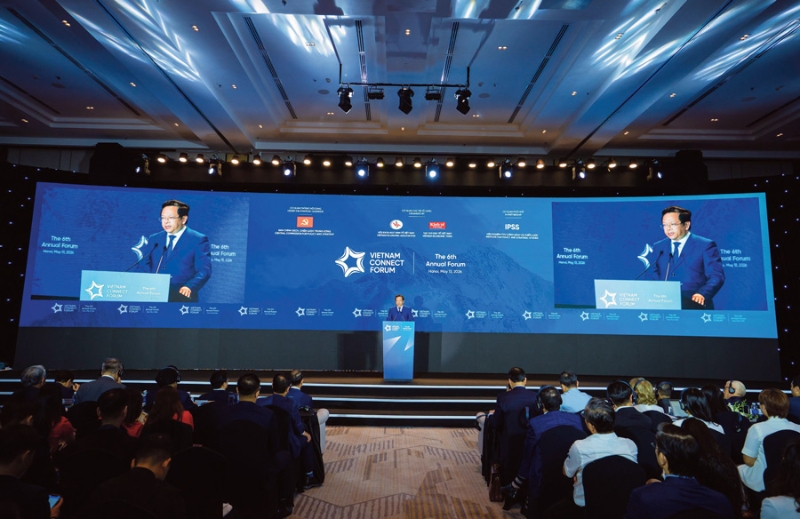
Combined strengths of FDI and domestic resources
Vietnam is pursuing policy reforms to better leverage the strengths of both FDI and domestic resources, Dr. Nguyen Duc Hien, Vice Chairman of the Central Commission for Policy and Strategy, said in his address to the 6th Vietnam Connect Forum.
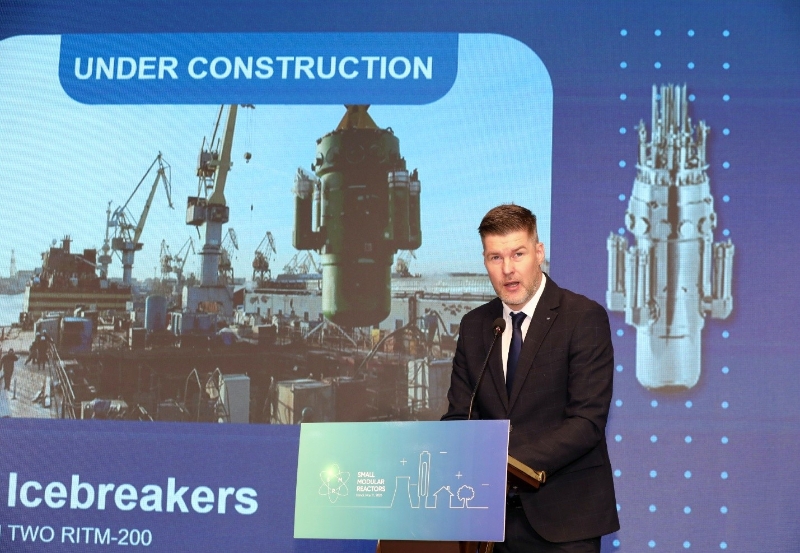
Vietnam looks for stable long-term energy solutions
Interest in Small Modular Reactors (SMRs) has been growing as Vietnam is looking for stable, low-carbon electricity sources capable of supporting its long-term economic and industrial expansion.
AI and the Future of the Transportation Sector in Vietnam
Anh Hoang | 05/21/2026
A seminar on May 21 outlines how the convergence of artificial intelligence, mobility models, and societal expectations will reshape the transportation sector in Vietnam.
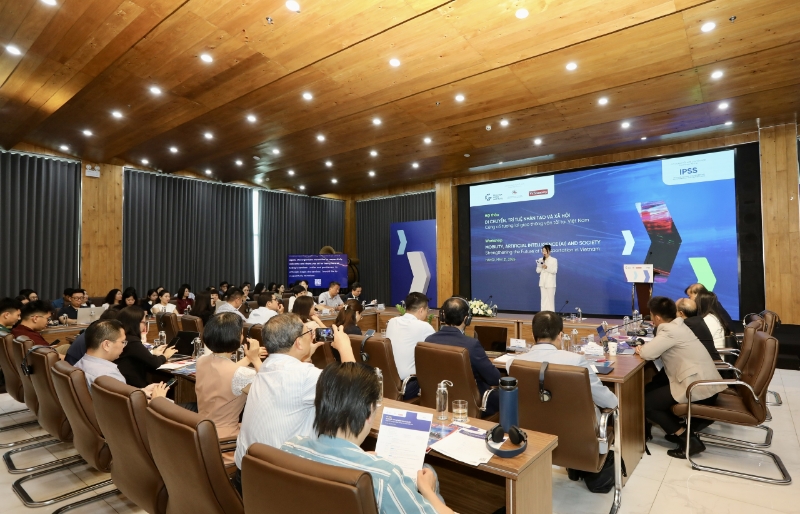
The Vietnam Economic Association (VEA), Vietnam Economic Times /VnEconomy, and the Tech for Good Institute (TFGI), in collaboration with the Institute for Policy and Strategy Studies (IPSS), on May 21 co-organized a seminar on the role of artificial intelligence, mobility models, and societal expectations in reshaping the future of the transportation sector in Vietnam.
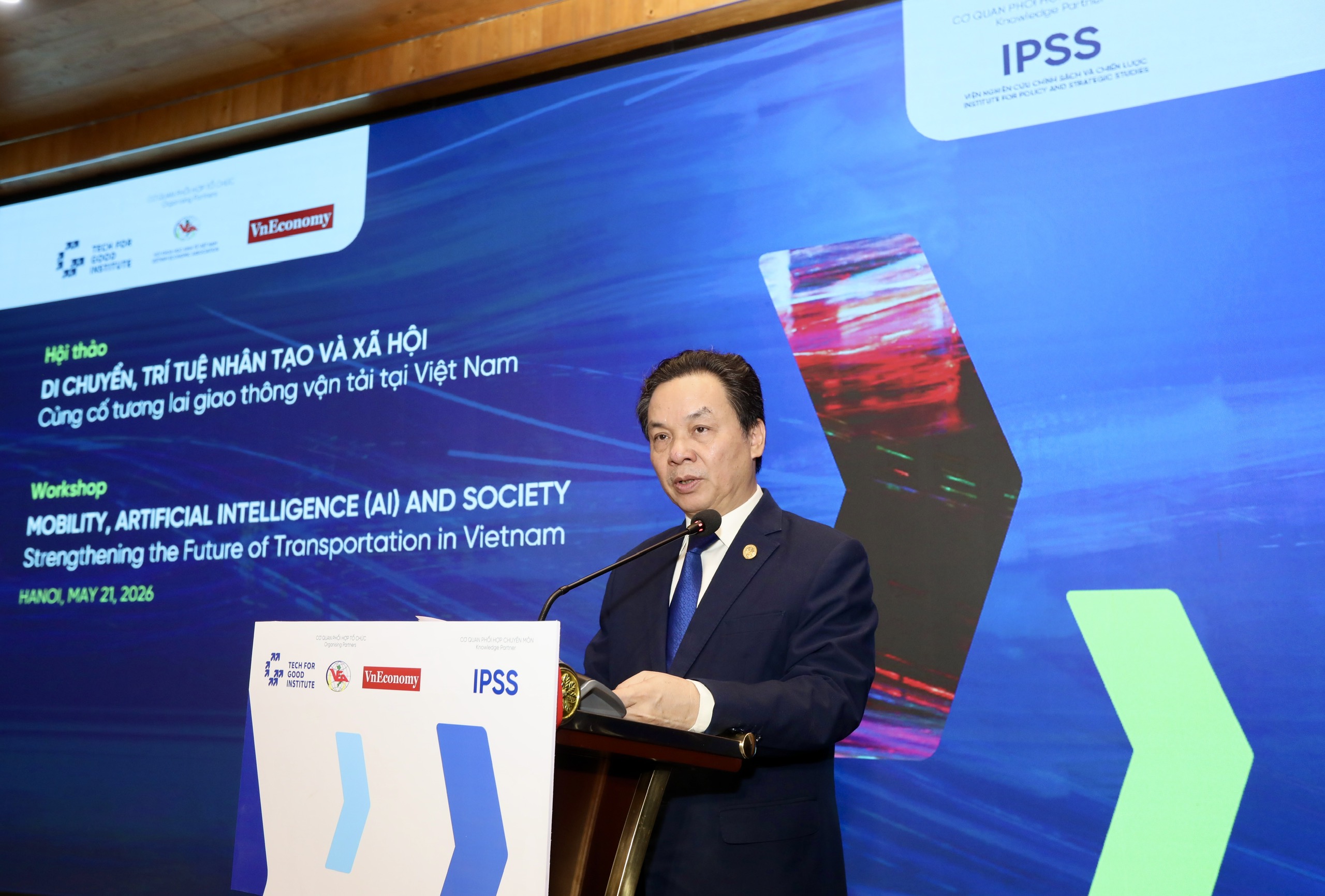
In his opening remarks, Prof. Dr. Hoang Van Cuong, Vice President of the Vietnam Economic Association, noted that transportation is not just technical infrastructure for commuting, but more importantly, it is about the operational methods to facilitate vital circulation and minimize the limitations to achieve the same level of investment while maximizing the effectiveness of human mobility.
Along with high economic growth, during its urbanization process, Vietnam is facing significant pressures on transportation, especially in major cities like Hanoi and Ho Chi Minh City. Prolonged traffic congestion, environmental pollution, and traffic accidents are prevalent. Overloaded infrastructure and a lack of connectivity among various transport modes not only lead to significant waste of time, fuel, and logistics costs but also directly impact the health, productivity, and quality of life of the community.
"In this context, the demand for a development mindset in transportation and the construction of a modern, intelligent mobility ecosystem is becoming more crucial than ever. The strong development of artificial intelligence (AI), big data, multi-functional batteries, the Internet and safety, IP, sensor technology, and digital phones is creating tremendous opportunities to develop an intelligent transportation system that serves human development. The application of AI and the development of smart transportation can help us optimize traffic flow, reduce congestion and accidents, enhance operational management efficiency of infrastructure, reduce emissions, and move towards green transportation. At the same time, it can improve logistics efficiency and the competitiveness of the economy, gradually forming smart cities and a modern society," Prof. Dr. Cuong emphasized.
Mr. Nguyen Hoa Cuong, Deputy Director of the Institute for Policy and Strategy Studies (IPSS), stated that this is the first time Vietnam has organized an in-depth seminar on technology in the field of mobility and transportation. According to him, many forecasts indicate that by around 2035, the AI application market in global transportation could reach a scale of approximately $535 billion. Although it is only a part of the entire transportation sector, this figure highlights the growing role and influence of AI in the field of transportation worldwide.
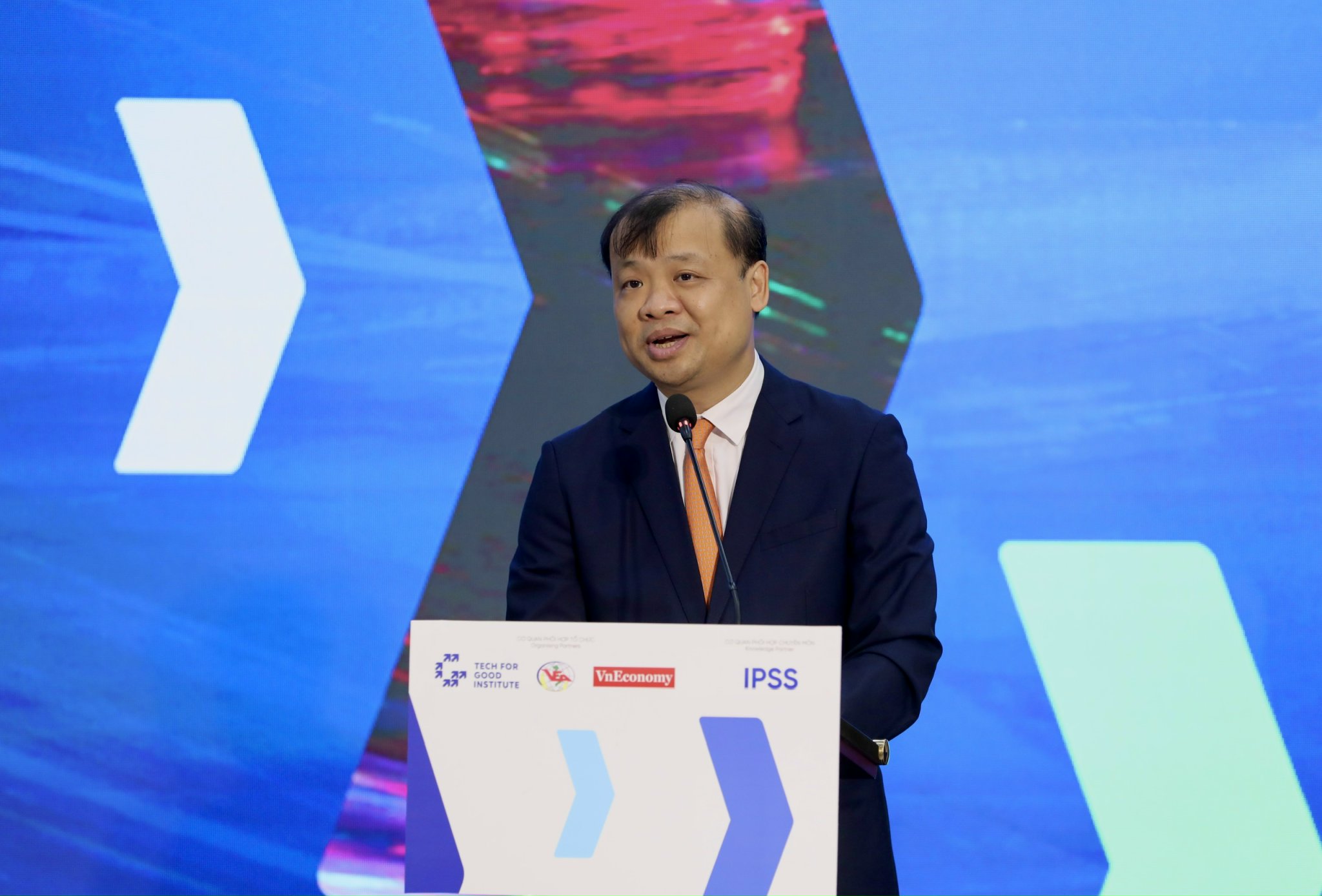
He emphasized that AI will have a profound impact on all sectors and levels of management, especially in optimizing urban transportation systems. For instance, the integration of smart sensors can support the calculation of vehicle flow, coordinate traffic more effectively, and enhance state management capabilities. At the same time, AI also helps measure emissions and assess the effectiveness of various emission reduction solutions, thereby assisting both regulatory agencies and businesses in making accurate and easier-to-implement decisions.
According to Mr. Cuong, most technology companies today are focused on building safer, smarter, and more sustainable transportation solutions for the community. "This shows that the essence of technological advancements is not just about technical innovation, but ultimately must serve people and enhance the quality of life," he said.
Ms. Citra H Nasruddin, Program Director of the TFGI, emphasized that TFGI recognises many directions to promote the future of mobility in Vietnam. The transition to electric vehicles, the application of AI in logistics, or the expansion of public transportation systems at reasonable and efficient costs are just a few typical examples. Each solution plays an important role, and to build a sustainable mobility ecosystem, it is essential to understand how these directions can complement and operate in sync with each other.
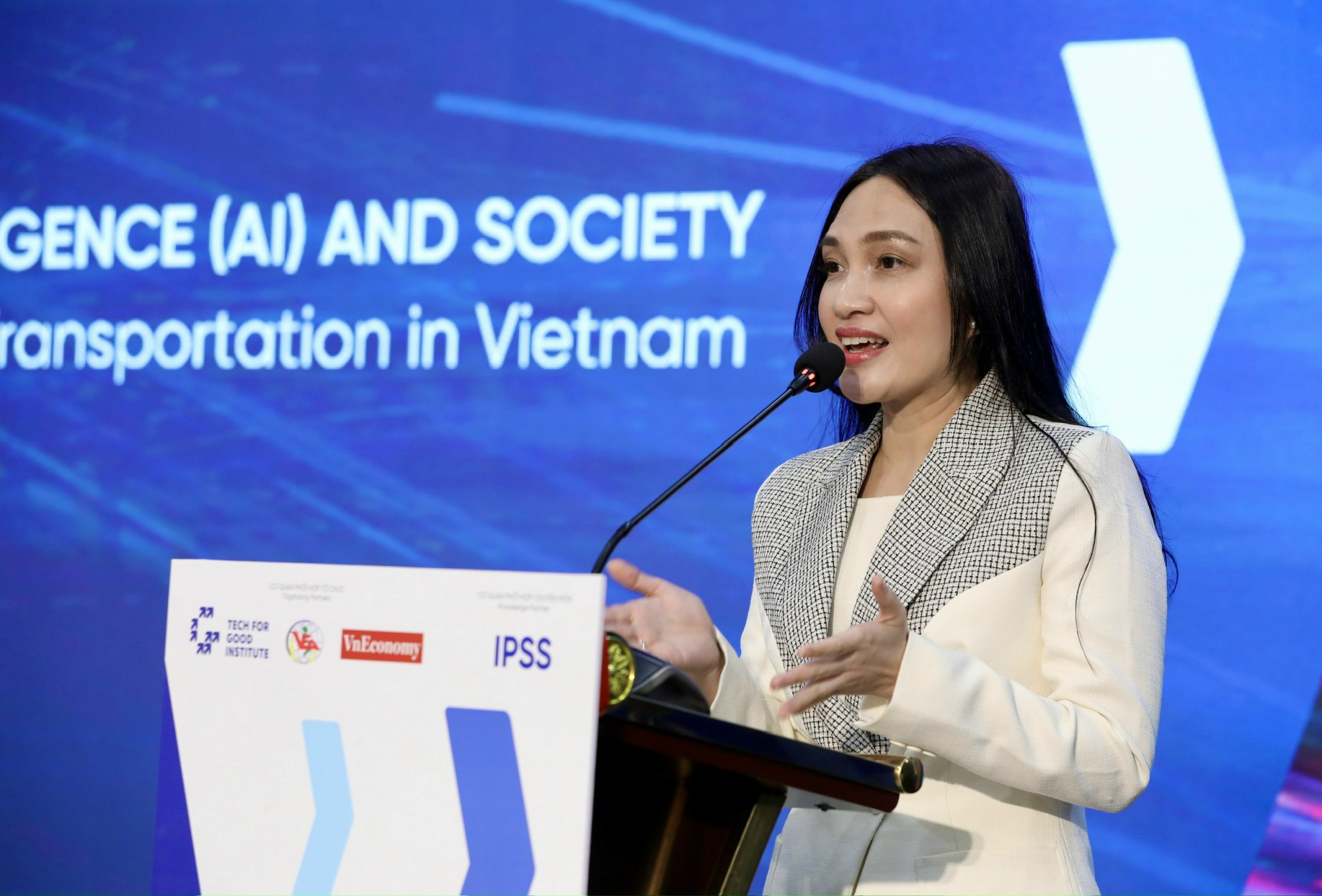
Ms. Citra H Nasruddin believes that in the process of planning smart transportation, careful consideration of the speed of implementation and prioritization is key. Each transportation development model has its own roadmap, prerequisites, and different trade-offs. Therefore, stakeholders need to comprehensively assess these factors so that policies and solutions can be coordinated more effectively, maximizing common benefits, prioritizing the needs of the people, and minimizing risks to the community.
"Large-scale interventions must always prioritize inclusivity and put people at the center. When improving the transportation system, we must ensure that these changes genuinely meet the needs, quality of life, and expectations of the majority of the Vietnamese people in various socio-economic contexts," Ms. Citra emphasized.
In the context of Vietnam's economy maintaining high growth rates over the past few years, along with urbanization and improving incomes, the demand for convenient, safe, and efficient transportation methods has increased. Meeting the mobility needs of the population in a sustainable manner requires smarter utilization of technology and a clear understanding of the accompanying challenges. The ultimate goal is to ensure that innovations in transportation are implemented in a synchronized manner, meeting the needs of families and communities in Vietnam, while being deployed at the right pace and sequence to provide common benefits for society as a whole.
Source: Vneconomy


